
Featured Publications

2025
Sharon Sliwinski, Dreams and Mycelium, MIT Press Reader.
How fungus and Freud converge to illuminate a deep ecology of mind, nature, and human ancestry. An excerpt of An Alphabet for Dreamers: How to See the World with Eyes Closed.

2025
Sharon Sliwinski, An Alphabet for Dreamers: How to See the World with Eyes Closed, Cambridge, Mass.: MIT Press.
Illustrations by Melinda Josie
Borrowing from the traditional alphabet book genre for children, An Alphabet for Dreamers provides adult readers with a new grammar for dreams, or what neuroscientist Sidarta Ribeiro calls “oracles of the night.” In this book, Sharon Sliwinski restores dreaming to its proper place as an important worldmaking activity, one that offers a gateway to another way of seeing. Each of the short chapters engages a dream from the historical record—from both the recent and distant past—to show how these experiences can help make sense of profound social conflicts and transform our shared reality.
2025
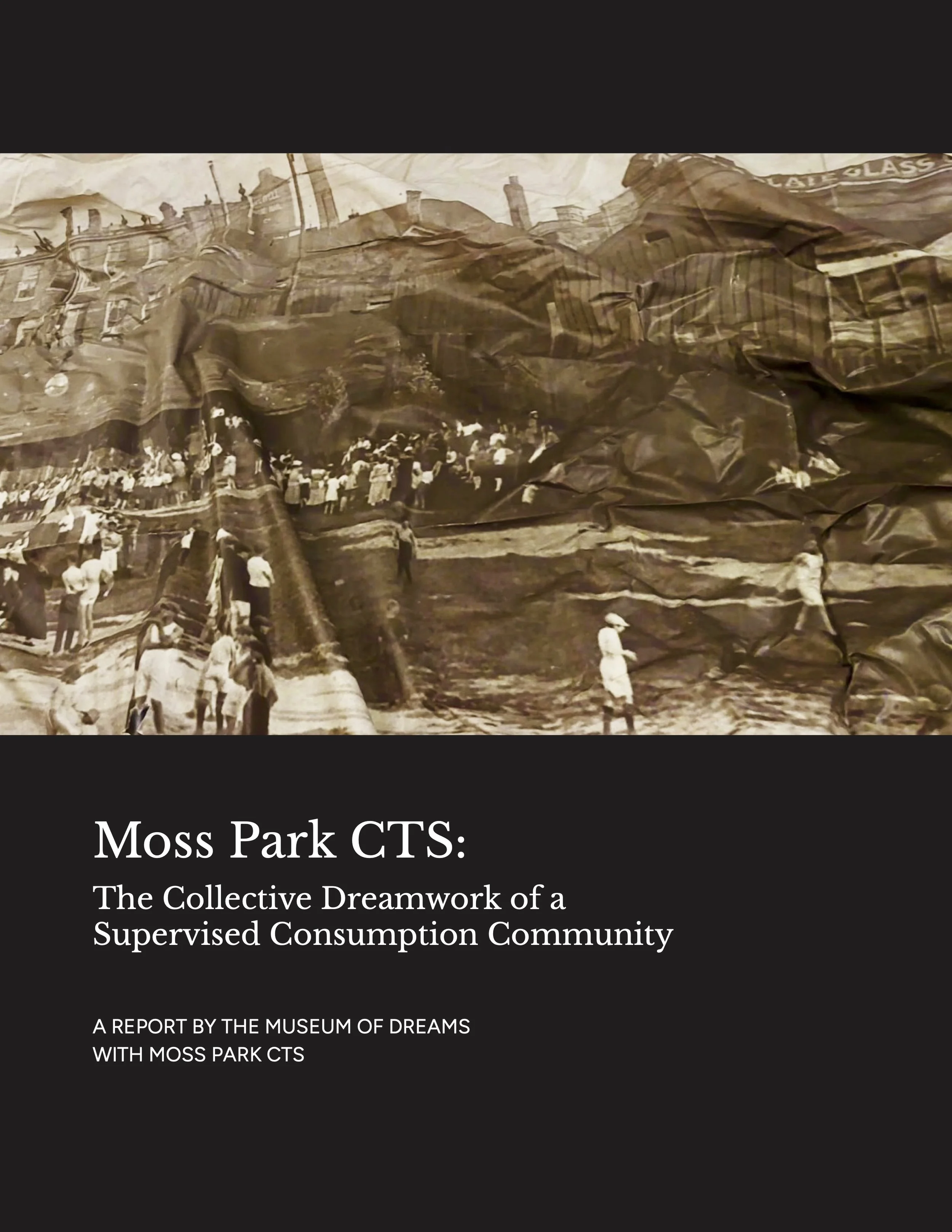
Moss Park CTS: The Collective Dreamwork of a Supervised Consumption Community
Read our report about the dream life of staff and service users of Moss Park CTS, a supervised consumption site in downtown Toronto. After the provincial Health Minister introduced legislation to shut down supervised consumption sites across Ontario, the Museum of Dreams partnered with Moss Park CTS to gather data about this community’s dream life.
2022
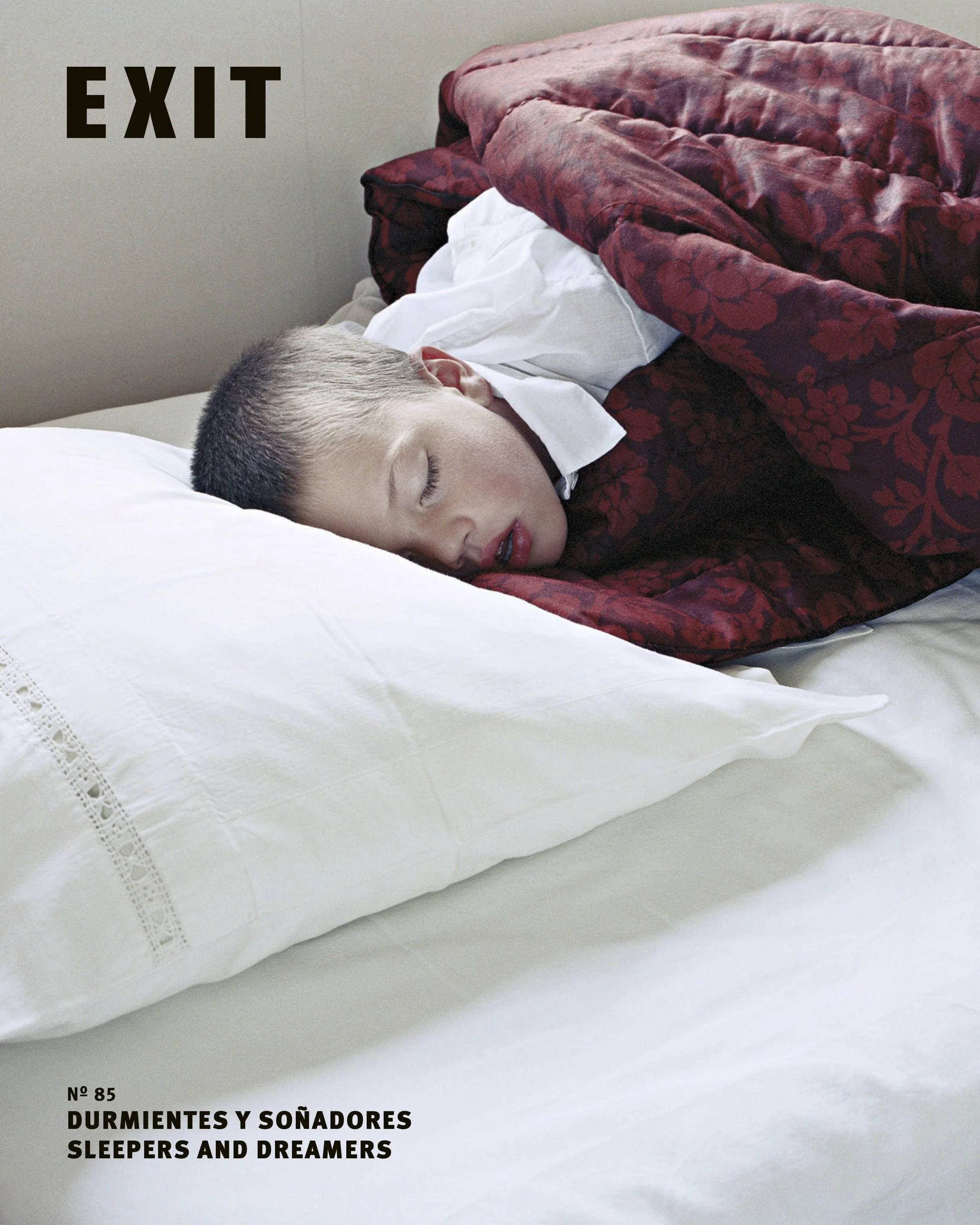
Sharon Sliwinski, El derecho a dormir, tal vez soñar / The right to sleep, perchance to dream Exit: Magazine of Image and Culture, Issue 85
¿Qué está pasando con el sueño? ¿Y con los sueños? What is happening to sleep? And dream? In both Spanish and English.

2023
Sharon Sliwinski, Day and Night, Hannah Arendt Center
Hannah Arendt devoted an entire chapter to the dreams of a woman she called her “closet friend” in her 1957 biography, Rahel Varnhagen: The Life of a Jewish Woman.

2018
How to Do Things With Dreams / Comment se servir des rêves
Features three short essays by Aparna Mishra Tarc, Karyn Sandlos, and Sharon Sliwinski on the psychosocial dimensions of war, colonization, and sexual violence. In both English and French.

2017
Sharon Sliwinski, Dreaming in Dark Times: Six Exercises in Political Thought, Minneapolis: University of Minnesota Press
What do dreams manage to say—or indeed, show—about human experience that is not legible otherwise? Can the disclosure of our dream-life be understood as a form of political avowal? To what does a dream attest? And to whom? Blending psychoanalytic theory with the work of such political thinkers as Hannah Arendt and Michel Foucault, Sharon Sliwinski explores how the disclosure of dream-life represents a special kind of communicative gesture—a form of unconscious thinking that can serve as a potent brand of political intervention and a means for resisting sovereign power. Each chapter centers on a specific dream plucked from the historical record, slowly unwinding the significance of this extraordinary disclosure. Dreaming in Dark Times defends the idea that dream-life matters—that attending to this thought-landscape is vital to the life of the individual but also vital to our shared social and political worlds.

2016
Sharon Sliwinski, Mandela’s Dark Years: A Political Theory of Dreaming, Minneapolis: University of Minnesota Press
Inspired by one of Nelson Mandela’s recurring nightmares, Mandela’s Dark Years offers a political reading of dream-life. Sharon Sliwinski guides the reader through the psychology of apartheid, recasting dreaming as a vital form of resistance to political violence, away from a rational binary of thinking.
This short, provocative study blends political theory with clinical psychoanalysis, opening up a new space to consider the politics of reverie.